
News
New BIMSTOK. New Future: Simplifying Infrastructure Maintenance for Safety.
# Supporting Safe Infrastructure Through the Power of IT Before I founded Early Reflections, I encountered the infrastructure and construction industries during my time as an executive at a publicly listed IT company. When our company acquired a consulting firm specializing in dam and river engineering, I was appointed to the board of directors for that business. Through this experience, I became aware of the serious problems in Japan’s infrastructure industry, which later inspired the development of BIMSTOK at Early Reflections. One of the fundamental issues is the over-dependence on individual expertise. The work demands years of experience and specialized knowledge; what people learn often stays with them rather than being shared. As a result, critical know-how accumulates in the heads of experienced members instead of being passed along to colleagues. How challenging is it to work as an infrastructure engineer? First, engineers are expected to hold a Professional Engineer (PE) license, which requires at least seven years of experience before one can even sit for the exam. Government agencies evaluate contractors based on the number of licensed engineers they assign, so the pressure to qualify is considerable. At the same time, every task—from inspection to repair—must comply with detailed safety and quality standards. Reporting is exhaustive, which makes information management another challenge. Demographic and structural pressures compound the problem. Japan's declining birthrate and aging population mean that fewer people are available to do this work. Meanwhile, much of the nation's infrastructure was built during the postwar economic boom of the 1950s to 1970s and is now deteriorating. We are already seeing serious accidents, such as the road collapse in Yashio City, Saitama, in January 2025. When I saw dedicated engineers working so hard to keep people safe, I felt both respect for their commitment and concern that the entire system depended too heavily on their personal dedication. As a director of a construction consulting company backed by an IT corporation, I believed that information technology, artificial intelligence, and data science could help solve this problem. This made me consider developing an innovative product to streamline infrastructure maintenance and management, which eventually grew into the concept of today’s BIMSTOK. # The Key to Addressing Infrastructure Challenges: BIM/CIM Facing the challenges of Japan’s infrastructure industry, I initially aimed to promote digital transformation (DX) by applying AI and data science to tasks such as aerial photo analysis, dam flood forecasting, and river flow modeling. While working with engineers involved in some of the country’s most representative dams, I came to recognize more specific challenges in the field: preparing inspection reports under strict regulations consumed an enormous amount of time; making sense of 2D drawings without years of experience was almost impossible; and critical information was often not properly shared in a way that successors could readily understand. Around then, I learned about BIM (Building Information Modeling) and CIM (Construction Information Modeling). In April 2020, Japan’s Ministry of Land, Infrastructure, Transport and Tourism (MLIT) announced that BIM/CIM would become the standard for nearly all public works by 2023. BIM/CIM integrates 3D models of buildings and civil structures with associated data, streamlining processes from design to maintenance. This approach seemed particularly useful for structure maintenance and management, as it allows all related information, including defects and inspection history, to be easily organized and visually understood, unlike traditional 2D drawings. At that time, most DX solutions in the infrastructure industry had focused on construction management rather than maintenance, and no BIM/CIM-based tool for ongoing maintenance and management existed in Japan. Furthermore, the BIM/CIM software available at that time was often difficult to use and required powerful computers. Information should be accessible to everyone involvedーfield engineers, administrative staff, and othersーso they can spend more time on essential work instead of searching through disordered data. That conviction marked the start of BIMSTOK's development. # What is BIMSTOK? BIMSTOK is a cloud-based platform built on BIM/CIM principles. Its goal is to make accessing information quick and effortless. **Designed to be search-free and easy to navigate**, it connects BIM/CIM models with all types of maintenance and management data. When reporting an issue or abnormality, field personnel typically use photos or 2D drawings to describe what happened and where it happened. Because these materials are in different formats, misunderstandings arise, and the information becomes difficult to manage. Using a BIM/CIM model, on the other hand, enables everyone to understand the situation from the same perspective, making the information much easier to share and use. BIMSTOK allows users to review contextual information across previous reports and to extract and organize specific data more effectively. # Why BIMSTOK Needed to Change We released the first version of BIMSTOK in November 2023 with the idea of creating a flexible system that integrates information with BIM/CIM models. At that stage, however, BIM/CIM was not widely used in maintenance, so the concept did not resonate. As a result, we pivoted toward making existing operations easier and focused on optimizing workflows. While this approach encouraged adoption, it limited flexibility and strayed from our belief that systems should adapt to changing environments and practices. As interest in BIM/CIM has grown and our engineering team has expanded, we decided to return to our original aim of flexible integration. This led to a substantial redesign. Two years ago, this would have sounded challenging. Now, we have a stronger and more diverse team. The recent updates were led by an international team, including a lead product engineer from the Philippines, an engineer from the U.S. with expertise in high-performance computing (HPC), 3D visualization, and artificial intelligence (AI), and a group of young members studying advanced computer science in the Philippines. Development was conducted entirely in English, with a high degree of momentum and efficiency. # Evolving BIMSTOK: Smarter, More Flexible, Easier to Use What is new BIMSTOK like? Let’s look at the details. First, the viewer has become more powerful, offering a richer variety of visualization options. In addition to cross-sectional views and selective element visibility, we have added first-person views, enabling users to virtually explore structures and inspect details as if they were on-site.  Second, it became easier to find relevant information on BIM/CIM models. All fundamental data of facilities is linked to BIM/CIM models and can be accessed directly within the 3D interface. You can also add notes, reports, and links as needed.  Another key update is AI integration. The AI assistant can summarize facility information, help answer common questions, and interact with BIM/CIM models. In addition to cloud-based AI, we plan to offer multiple LLM (Large Language Model) options in the future, including on-premise LLMs and our own in-house solutions, allowing clients to choose based on their security requirements. At Early Reflections, we view AI as a key tool to empower IT to become a “true IT”. This is because we believe that systems should eventually be capable of operating automatically. This philosophy supports our proactive adoption of AI-driven approaches. Thanks to these updates, BIMSTOK has become significantly more flexible. While infrastructure has always been our primary target sector, this evolution allows us to serve a wider range of users, including building management and real estate asset management professionals. # The Future BIMSTOK Strives to Create Our mission at Early Reflections is “to become the early reflections of world-changing ideas” and “to enable humanity to devote more time to philosophy through information technology and data analysis.” Here, “philosophy” is a metaphor for thoughtful and strategic work. BIMSTOK reflects this mission into practice. By automating routine tasks through AI and integrating data across systems, BIMSTOK optimizes workflows in infrastructure maintenance. This allows professionals to focus on critical tasks such as decision-making and strategic planning rather than repetitive work. Being able to visualize and verify things leads to peace of mind. When the people who work passionately on the ground every day can feel assured, that sense of security extends to our entire society. I believe that the use of BIM/CIM and BIMSTOK will eventually contribute to enhancing the safety of infrastructures in the future. We are developing BIMSTOK without relying on external funding. This independence allows us to focus on steady, long-term improvements rather than short-term returns, ensuring we continue to deliver a product that truly adds value. We also see potential beyond maintenance. We envision the platform’s data-driven capabilities to support strategic facility management and provide actionable recommendations based on comprehensive management data. Inquiries about these possibilities are already coming in. Interest has also emerged overseas. After a recent press release, a company in France contacted us. To prepare for a wider audience, we built an international development team and added multi-language support. Eventually, we hope BIMSTOK will help improve the safety and reliability of infrastructure around the world. Infrastructure forms the foundation of safety and security in our daily lives. BIMSTOK will continue to evolve to meet real-world needs, serving as a trusted platform that sustains this sense of assurance and carries it forward to the next generation. --- Thank you for reading. You can learn more about BIMSTOK on the following website: [https://www.bimstok.com/](https://www.bimstok.com/)
September 16, 2025
New BIMSTOK. New Future: Simplifying Infrastructure Maintenance for Safety.
# Supporting Safe Infrastructure Through the Power of IT Before I founded Early Reflections, I encountered the infrastructure and construction industries during my time as an executive at a publicly listed IT company. When our company acquired a consulting firm specializing in dam and river engineering, I was appointed to the board of directors for that business. Through this experience, I became aware of the serious problems in Japan’s infrastructure industry, which later inspired the development of BIMSTOK at Early Reflections. One of the fundamental issues is the over-dependence on individual expertise. The work demands years of experience and specialized knowledge; what people learn often stays with them rather than being shared. As a result, critical know-how accumulates in the heads of experienced members instead of being passed along to colleagues. How challenging is it to work as an infrastructure engineer? First, engineers are expected to hold a Professional Engineer (PE) license, which requires at least seven years of experience before one can even sit for the exam. Government agencies evaluate contractors based on the number of licensed engineers they assign, so the pressure to qualify is considerable. At the same time, every task—from inspection to repair—must comply with detailed safety and quality standards. Reporting is exhaustive, which makes information management another challenge. Demographic and structural pressures compound the problem. Japan's declining birthrate and aging population mean that fewer people are available to do this work. Meanwhile, much of the nation's infrastructure was built during the postwar economic boom of the 1950s to 1970s and is now deteriorating. We are already seeing serious accidents, such as the road collapse in Yashio City, Saitama, in January 2025. When I saw dedicated engineers working so hard to keep people safe, I felt both respect for their commitment and concern that the entire system depended too heavily on their personal dedication. As a director of a construction consulting company backed by an IT corporation, I believed that information technology, artificial intelligence, and data science could help solve this problem. This made me consider developing an innovative product to streamline infrastructure maintenance and management, which eventually grew into the concept of today’s BIMSTOK. # The Key to Addressing Infrastructure Challenges: BIM/CIM Facing the challenges of Japan’s infrastructure industry, I initially aimed to promote digital transformation (DX) by applying AI and data science to tasks such as aerial photo analysis, dam flood forecasting, and river flow modeling. While working with engineers involved in some of the country’s most representative dams, I came to recognize more specific challenges in the field: preparing inspection reports under strict regulations consumed an enormous amount of time; making sense of 2D drawings without years of experience was almost impossible; and critical information was often not properly shared in a way that successors could readily understand. Around then, I learned about BIM (Building Information Modeling) and CIM (Construction Information Modeling). In April 2020, Japan’s Ministry of Land, Infrastructure, Transport and Tourism (MLIT) announced that BIM/CIM would become the standard for nearly all public works by 2023. BIM/CIM integrates 3D models of buildings and civil structures with associated data, streamlining processes from design to maintenance. This approach seemed particularly useful for structure maintenance and management, as it allows all related information, including defects and inspection history, to be easily organized and visually understood, unlike traditional 2D drawings. At that time, most DX solutions in the infrastructure industry had focused on construction management rather than maintenance, and no BIM/CIM-based tool for ongoing maintenance and management existed in Japan. Furthermore, the BIM/CIM software available at that time was often difficult to use and required powerful computers. Information should be accessible to everyone involvedーfield engineers, administrative staff, and othersーso they can spend more time on essential work instead of searching through disordered data. That conviction marked the start of BIMSTOK's development. # What is BIMSTOK? BIMSTOK is a cloud-based platform built on BIM/CIM principles. Its goal is to make accessing information quick and effortless. **Designed to be search-free and easy to navigate**, it connects BIM/CIM models with all types of maintenance and management data. When reporting an issue or abnormality, field personnel typically use photos or 2D drawings to describe what happened and where it happened. Because these materials are in different formats, misunderstandings arise, and the information becomes difficult to manage. Using a BIM/CIM model, on the other hand, enables everyone to understand the situation from the same perspective, making the information much easier to share and use. BIMSTOK allows users to review contextual information across previous reports and to extract and organize specific data more effectively. # Why BIMSTOK Needed to Change We released the first version of BIMSTOK in November 2023 with the idea of creating a flexible system that integrates information with BIM/CIM models. At that stage, however, BIM/CIM was not widely used in maintenance, so the concept did not resonate. As a result, we pivoted toward making existing operations easier and focused on optimizing workflows. While this approach encouraged adoption, it limited flexibility and strayed from our belief that systems should adapt to changing environments and practices. As interest in BIM/CIM has grown and our engineering team has expanded, we decided to return to our original aim of flexible integration. This led to a substantial redesign. Two years ago, this would have sounded challenging. Now, we have a stronger and more diverse team. The recent updates were led by an international team, including a lead product engineer from the Philippines, an engineer from the U.S. with expertise in high-performance computing (HPC), 3D visualization, and artificial intelligence (AI), and a group of young members studying advanced computer science in the Philippines. Development was conducted entirely in English, with a high degree of momentum and efficiency. # Evolving BIMSTOK: Smarter, More Flexible, Easier to Use What is new BIMSTOK like? Let’s look at the details. First, the viewer has become more powerful, offering a richer variety of visualization options. In addition to cross-sectional views and selective element visibility, we have added first-person views, enabling users to virtually explore structures and inspect details as if they were on-site.  Second, it became easier to find relevant information on BIM/CIM models. All fundamental data of facilities is linked to BIM/CIM models and can be accessed directly within the 3D interface. You can also add notes, reports, and links as needed.  Another key update is AI integration. The AI assistant can summarize facility information, help answer common questions, and interact with BIM/CIM models. In addition to cloud-based AI, we plan to offer multiple LLM (Large Language Model) options in the future, including on-premise LLMs and our own in-house solutions, allowing clients to choose based on their security requirements. At Early Reflections, we view AI as a key tool to empower IT to become a “true IT”. This is because we believe that systems should eventually be capable of operating automatically. This philosophy supports our proactive adoption of AI-driven approaches. Thanks to these updates, BIMSTOK has become significantly more flexible. While infrastructure has always been our primary target sector, this evolution allows us to serve a wider range of users, including building management and real estate asset management professionals. # The Future BIMSTOK Strives to Create Our mission at Early Reflections is “to become the early reflections of world-changing ideas” and “to enable humanity to devote more time to philosophy through information technology and data analysis.” Here, “philosophy” is a metaphor for thoughtful and strategic work. BIMSTOK reflects this mission into practice. By automating routine tasks through AI and integrating data across systems, BIMSTOK optimizes workflows in infrastructure maintenance. This allows professionals to focus on critical tasks such as decision-making and strategic planning rather than repetitive work. Being able to visualize and verify things leads to peace of mind. When the people who work passionately on the ground every day can feel assured, that sense of security extends to our entire society. I believe that the use of BIM/CIM and BIMSTOK will eventually contribute to enhancing the safety of infrastructures in the future. We are developing BIMSTOK without relying on external funding. This independence allows us to focus on steady, long-term improvements rather than short-term returns, ensuring we continue to deliver a product that truly adds value. We also see potential beyond maintenance. We envision the platform’s data-driven capabilities to support strategic facility management and provide actionable recommendations based on comprehensive management data. Inquiries about these possibilities are already coming in. Interest has also emerged overseas. After a recent press release, a company in France contacted us. To prepare for a wider audience, we built an international development team and added multi-language support. Eventually, we hope BIMSTOK will help improve the safety and reliability of infrastructure around the world. Infrastructure forms the foundation of safety and security in our daily lives. BIMSTOK will continue to evolve to meet real-world needs, serving as a trusted platform that sustains this sense of assurance and carries it forward to the next generation. --- Thank you for reading. You can learn more about BIMSTOK on the following website: [https://www.bimstok.com/](https://www.bimstok.com/)
September 16, 2025
【Inside the CEO’s Mind #2】Company as a Platform: Rethinking Corporate Design
In the last post, I discussed my professional background and how I came to realize the importance of corporate design. The most important lesson was: **“Even companies with strong competitive advantages in technology, talent, or branding can fail without effective leadership and governance”.** This time, I’ll explain the concept of corporate design in more depth and discuss how to build a successful corporate design system. --- # Company as a Platform There are many ways to think about what a company is, but I prefer seeing a company as a platform. So what exactly is a “platform”? Think of social media platforms such as X (Twitter) and Instagram. These platforms have their specific rules and systems that influence user behavior and activity. A company as a platform works in the same way. It provides employees with a framework, including rules and incentives, designed to promote better performance. Corporate design is reflected in things like company policies, evaluation methods, and organizational culture. While these systems don’t fully control individual actions, they significantly influence how the members act and perform. For instance, a company using output-based evaluations may encourage employees to take short breaks to enhance productivity. On the other hand, a culture rewarding long working hours might pressure employees to avoid taking breaks even when they are tired, resulting in longer and less productive days. These contrasting approaches illustrate how rules, incentives, and culture can either support or limit employee behaviors. That’s why corporate design is critical. # Designing a Good Platform So, how do you design an effective platform? There is no single correct answer for this because it depends on your specific goals and priorities as a corporate leader. One might want to grow the company bigger, while another might prioritize its employees' wellness. One might prioritize ethical practices, while another might focus on financial gain. Some leaders aim to expand their companies quickly, while others prioritize employee well-being. Some emphasize ethical practices, while others focus primarily on profitability. For me, I designed Early Reflections to be a platform where members can actively learn and try new things, but I understand it may not be the right fit for everyone. As I mentioned earlier, a platform cannot completely control its members' behaviors. Therefore, it’s essential to bring people on board who align with your company’s values and goals. --- In the next post, I’ll explore what kind of platform Early Reflections is designed to be. Thanks for reading, and see you in the next one.
August 15, 2025
【Inside the CEO’s Mind #2】Company as a Platform: Rethinking Corporate Design
In the last post, I discussed my professional background and how I came to realize the importance of corporate design. The most important lesson was: **“Even companies with strong competitive advantages in technology, talent, or branding can fail without effective leadership and governance”.** This time, I’ll explain the concept of corporate design in more depth and discuss how to build a successful corporate design system. --- # Company as a Platform There are many ways to think about what a company is, but I prefer seeing a company as a platform. So what exactly is a “platform”? Think of social media platforms such as X (Twitter) and Instagram. These platforms have their specific rules and systems that influence user behavior and activity. A company as a platform works in the same way. It provides employees with a framework, including rules and incentives, designed to promote better performance. Corporate design is reflected in things like company policies, evaluation methods, and organizational culture. While these systems don’t fully control individual actions, they significantly influence how the members act and perform. For instance, a company using output-based evaluations may encourage employees to take short breaks to enhance productivity. On the other hand, a culture rewarding long working hours might pressure employees to avoid taking breaks even when they are tired, resulting in longer and less productive days. These contrasting approaches illustrate how rules, incentives, and culture can either support or limit employee behaviors. That’s why corporate design is critical. # Designing a Good Platform So, how do you design an effective platform? There is no single correct answer for this because it depends on your specific goals and priorities as a corporate leader. One might want to grow the company bigger, while another might prioritize its employees' wellness. One might prioritize ethical practices, while another might focus on financial gain. Some leaders aim to expand their companies quickly, while others prioritize employee well-being. Some emphasize ethical practices, while others focus primarily on profitability. For me, I designed Early Reflections to be a platform where members can actively learn and try new things, but I understand it may not be the right fit for everyone. As I mentioned earlier, a platform cannot completely control its members' behaviors. Therefore, it’s essential to bring people on board who align with your company’s values and goals. --- In the next post, I’ll explore what kind of platform Early Reflections is designed to be. Thanks for reading, and see you in the next one.
August 15, 2025
アーリーリフレクション とは 【代表インタビュー】
私たちアーリーリフレクションは、新しいアイデアや課題の " シーズ (種) " を見つけて、それをカタチにしていく会社です。AIやデータエンジニアリングといったテクノロジーを軸にしながらも、大学発の研究シーズから大企業の新サービスづくりまで、さまざまなプロジェクトに取り組んでいます。時には、会社の立ち上げや経営にまで関わることも。そんな柔軟で、実行力のある姿勢が私たちの強みです。 今回は、アーリーリフレクションがどんな想いで事業を進めているのか、どんな人たちがどんなふうに関わっているのか、そして代表・田中がどんな未来を描いているのか。インタビューを通して、その事業の根底にある想いを語ります。 :::container # CEO 田中喜之 東京大学大学院(科学基礎論大講座)修士課程修了の後、2002年ソフトウェア開発のドリームテクノロジーズ取締役に就任、以後9年間取締役を務める。戦略企画室室長を経てホールディングカンパニーとなった同社の運営に関わり、法務担当者として企業再編やM&Aを実現した。 事業責任者として、米国セキュリティソフトウェア日本法人の代表をはじめ、IT、通信、建設コンサルタント、製造小売(ファッションブランド)等、多業種のマネジメントを経験。取締役就任時売上5億円だった同社を、2011年同社退任までにグループ全体で1000人・売上150億円規模にまで成長させた。 その後、国内外の新規事業開発業務を経て、2014年当社代表取締役に就任。データサイエンス、コンサルティング事業を開始。2018年度より科学技術シーズのスタートアップ投資と経営参画を本格化、ヘルスケア領域の野心的スタートアップの「最初の反響」となる活動を行っている。 ::: # アーリーリフレクションは、どのような会社でしょうか。 当社は元々、アイデアや課題、科学技術シーズの「はじめの反響」となって新しい事業という価値をつくることをコンセプトにしている会社です。つまりいろいろな「シーズ」を形にする会社で、その中で、今はAI、データエンジニアリングの領域に注力しているという位置付けです。両領域が前面に出てはいますが、ほかには例えば大学発の創薬のシーズに対して会社を設計し、その後のロードマップを考えてビジネスプランを書き、それを展開させる事業も手掛け、投資と経営参画もしています。 類似の業態を挙げるなら、多くのシーズから「事業をつくる」取り組みをしているということではベンチャービルダー、インキュベーター、課題解決の側面ではコンサルティングファームにも似ている面もありますが、あくまでも「サービス」の実現や、AIを含むシステム構築による解決を目指しています。 AI、データエンジニアリングの領域については、特に点群データの取り扱いのR&Dもしながら、我々は実際に実務的な課題をどう解決するかということに注力しています。AIの専門的な知識は必要ですが、結局クライアントにとって重要なのはどのような課題をどのような手段で解決するか。他社が取り組んでみたところ、パフォーマンスが出ず、当社に持ち込まれてパフォーマンスが出せるようになるということも、実はよくあります。ビジネス的な課題に対して、どのように解決するのかの全体像から考えられるかどうか。テクニカルな能力は必要ですが、場合によっては、最新のものよりも枯れた技術が適していることもあります。我々は、技術ありきではなく、まず全体の設計をして必要な技術を組み合わせて解決する考え方をしています。 ここ数年は、ある国内でも有数の大きなグループ会社の新サービスのシステム構築や、技術戦略にも関わっており、そういう意味でも、自分たちの取り組みが大きな社会インパクトに直結する面白さがあると思います。 アピールしたいことは3つ。 1. 点目は、科学技術を含めた多くの面白いシーズに関係していること。 2. 点目は、エンタープライズのサービス構築というインパクトの大きな案件をやっていること。 3. 点目は、優秀なメンバーが、面白いプロジェクトにチャレンジしたいと思って集まってきていること。 この三点は強調しておきたいです。 # 田中さんのご経歴を教えてください。 大学院で科学基礎論の修士課程を修了し、ソフトウェア開発上場会社の取締役になりました。そこは現在当社CTOの伊藤が手掛けた地図ソフトウェアのヒットで上場した会社で、そこに経営参画しました。今でいうGoogle Mapのようなものを当時の技術で実現していたので、技術力は非常に高い会社でした。ただ、その地図ソフトは成功しましたが、ポテンシャルと比べると「大成功」とまでは言えませんでした。グローバルにも通用するものだったと思うのですが、足りなかったのは「経営」だったのでしょう。そのような悔いもあり、自分のコンセプトで新たに挑戦したいと思って当社をつくったという経緯です。 私自身のキャリアは、その地図ソフトの会社に通信ベンチャーの資金が入り、大きくなったことで、キャリアのはじめから、M&A、様々な事業の経営に関わる機会に恵まれました。ダムを設計する建設コンサルタントや、ハンドバッグブランド、製造小売から、米国セキュリティソフトウェアなど多岐にわたります。そこで9年間、取締役として経営に関わりました。その間に、当初は50人ほどだった会社がグループ全体で1,000人以上、売上150億円の成長を経験しました。 その後、国内外の新規事業開発業務を経て、2014年、当社の代表取締役に就任しました。現在の仕事は、これまでの私の歩みの中で知り合った方々の人脈で頂くものが中心で、通信会社グループや、エンタープライズの様々な案件に携わっています。 # 求職者の方に伝えたいアーリーリフレクションの魅力は何ですか。 人材と環境ですね。大企業からの転職組、外国の方、アカデミアで実績豊富な研究者等、尖ったメンバーが集まっています。理由は、積極的にチャレンジできる環境があるから。一つの仕事に専念するのではなく、面白いと思ったことに沢山取り組むことができます。この不確実な時代に一つの仕事でずっといけるとは限りません。自分のスキルを伸ばし、自分がやりたいことを会社でできる。日常において仕事の占める時間は長いので、その長い時間を面白いこと、関心のあることをやった方が良いと思うのです。 例えば、正社員はもちろんのこと、インターンの方を迎える時も、その人がどのような関心を持っているのか、その人のキャリアにとって、どのプロジェクトをどの役割で取り組んだらより良いのかを考えます。関心のあること、価値があることであれば、面白く取り組めるし、パフォーマンスも高くなるでしょう。ただ会社に所属し与えられた仕事に取り組むるだけではないので、自分で頑張りたいという人は、当社でやっていきやすいのではと思います。 インターンの方の中には、卒業後に他社で働いて、また戻って来てくれる方もいます。当社は、新卒は原則採用していません。やりたいことができる特殊な環境を普通だと思うのは良くないからです。ただ、ほかの会社に行ってみると、やっぱり自分のやりたかったことはなかなかできないので、戻りたいと言ってくれる方もいます。 真剣に勉強し、これがやりたい・こうやりたいという意志がある人、仕事だから手を抜けるところは抜くという人よりは、勉強してスキルを上げたいとか、プロジェクトを頑張りたいとか、濃い時間を過ごしたい、そういうやる気のある人にいい環境だと思います。 # 今後、どのような会社にしていきたいですか。 「どのような会社」というのは難しいのですが、少し視点を変えて、会社とメンバーの関係についての私の考え方をお伝えします。 通常、経営者が従業員に給与を支払い、従業員は労働します。この関係だけを考えると、究極的には経営者は給料を安く払う方が得だし、従業員は怠けた方が得となります。これで上手くいく時代もあったでしょうが、私は今後はそういう時代ではないと思っています。私自身が手を抜けないタイプ。何かをやるのなら全力でやりたいので、この構図だと絶対に損をします。 ですが、私は会社とメンバーの間は、相互投資だと考えています。会社はメンバーに対して機会を与え、勉強してもらい、その人が力を付けてくれると会社にリターンがある。メンバーも大切な時間を会社に提供して仕事をしたり、勉強したりするので、使い潰されてしまうようでは大損です。実際、当社のメンバーは非常に優秀ですごくいろいろなことができるのに、前職ではもったいない使われ方をしていた人も少なくありません。これから仲間になってくれる人も同様です。当社に来たらもっと面白いこと、価値があることができるのに、今は会社の仕組み上、ポテンシャルを制限するような仕事の仕方しかできていない方が少なくないと思います。もったいない。 私はすごく欲がある人間なので、その人のポテンシャルを最大限に広げた方がリターンはいいと思っています。お互いに投資的な考えをするべきだと思っています。投資とは期待なので駄目だったら仕方ありませんが、お互いにリターンを期待して関係を構築するほうが良いと思っています。 メンバーには、ポテンシャルを引き出すために、複数の案件にそれぞれ違う役割で参画してもらいます。その方が客観的な視点を持つことができますし、プロジェクトの方でも役割は固定的でなく、もしもPM的な役割の人が上手くいかなければ、ほかの人がサポートをする等、カジュアルに切り替えていきます。そうすることでプロジェクトも回りますし、メンバーも自然と育っていきます。 # 働く環境はいかがですか。何か特徴的なことがあれば教えてください。 金曜日の午後は、勉強タイムにしています。なるべく仕事はその前に終わらせて、金曜日は自分の勉強や整理をする時間に充てましょうと。もちろんそううまくいかないことも多々ありますが、やはり、勉強する時間は必要だと思うので。もちろん個人的に勉強をしている人は多いですが、あえて会社で時間を取って勉強会や外部の方をお招きした交流会等を行っています。 働き方は、結果的にリモートワークが多くなっていますが、「リモートでやったほうが良いことはリモートで」「オフィスでやったほうが良いことはオフィスで」と目的にあわせて働くスタイルです。オフィスはコラボレーションをする場という位置付けで、集中して仕事をする時は自宅で効率良くやりましょうと考えています。全出社も全リモートも私は効率が悪いと思っているので、業務に応じて柔軟に適したやり方で仕事を進めています。週1〜2の出社をしている方が多いです。 また、本人の希望に応じて業務の変更や、プロジェクトのアサインも変わります。「やりたいことは全部やるといい」というスタンスなので。業務の希望については、日頃から話します。本人自身のキャリアロードマップを考える「キャリア面談」の場も設定しています。キャリア面談では、例えばエンジニアなら今どういうことができるのか、今後スキルを身に付けることで何ができるようになるのか、スキルを身に付けるためにこのプロジェクトに入ってみようとか、そんな話をしています。やりたいことに対してスキルが足りているとは限らないので、やりたいことと、できること、それに向けて各自のロードマップを考えるような擦り合わせをしています。そうやって会社での取り組みと自分のキャリアとのギャップが無いようにしています。
July 22, 2025
アーリーリフレクション とは 【代表インタビュー】
私たちアーリーリフレクションは、新しいアイデアや課題の " シーズ (種) " を見つけて、それをカタチにしていく会社です。AIやデータエンジニアリングといったテクノロジーを軸にしながらも、大学発の研究シーズから大企業の新サービスづくりまで、さまざまなプロジェクトに取り組んでいます。時には、会社の立ち上げや経営にまで関わることも。そんな柔軟で、実行力のある姿勢が私たちの強みです。 今回は、アーリーリフレクションがどんな想いで事業を進めているのか、どんな人たちがどんなふうに関わっているのか、そして代表・田中がどんな未来を描いているのか。インタビューを通して、その事業の根底にある想いを語ります。 :::container # CEO 田中喜之 東京大学大学院(科学基礎論大講座)修士課程修了の後、2002年ソフトウェア開発のドリームテクノロジーズ取締役に就任、以後9年間取締役を務める。戦略企画室室長を経てホールディングカンパニーとなった同社の運営に関わり、法務担当者として企業再編やM&Aを実現した。 事業責任者として、米国セキュリティソフトウェア日本法人の代表をはじめ、IT、通信、建設コンサルタント、製造小売(ファッションブランド)等、多業種のマネジメントを経験。取締役就任時売上5億円だった同社を、2011年同社退任までにグループ全体で1000人・売上150億円規模にまで成長させた。 その後、国内外の新規事業開発業務を経て、2014年当社代表取締役に就任。データサイエンス、コンサルティング事業を開始。2018年度より科学技術シーズのスタートアップ投資と経営参画を本格化、ヘルスケア領域の野心的スタートアップの「最初の反響」となる活動を行っている。 ::: # アーリーリフレクションは、どのような会社でしょうか。 当社は元々、アイデアや課題、科学技術シーズの「はじめの反響」となって新しい事業という価値をつくることをコンセプトにしている会社です。つまりいろいろな「シーズ」を形にする会社で、その中で、今はAI、データエンジニアリングの領域に注力しているという位置付けです。両領域が前面に出てはいますが、ほかには例えば大学発の創薬のシーズに対して会社を設計し、その後のロードマップを考えてビジネスプランを書き、それを展開させる事業も手掛け、投資と経営参画もしています。 類似の業態を挙げるなら、多くのシーズから「事業をつくる」取り組みをしているということではベンチャービルダー、インキュベーター、課題解決の側面ではコンサルティングファームにも似ている面もありますが、あくまでも「サービス」の実現や、AIを含むシステム構築による解決を目指しています。 AI、データエンジニアリングの領域については、特に点群データの取り扱いのR&Dもしながら、我々は実際に実務的な課題をどう解決するかということに注力しています。AIの専門的な知識は必要ですが、結局クライアントにとって重要なのはどのような課題をどのような手段で解決するか。他社が取り組んでみたところ、パフォーマンスが出ず、当社に持ち込まれてパフォーマンスが出せるようになるということも、実はよくあります。ビジネス的な課題に対して、どのように解決するのかの全体像から考えられるかどうか。テクニカルな能力は必要ですが、場合によっては、最新のものよりも枯れた技術が適していることもあります。我々は、技術ありきではなく、まず全体の設計をして必要な技術を組み合わせて解決する考え方をしています。 ここ数年は、ある国内でも有数の大きなグループ会社の新サービスのシステム構築や、技術戦略にも関わっており、そういう意味でも、自分たちの取り組みが大きな社会インパクトに直結する面白さがあると思います。 アピールしたいことは3つ。 1. 点目は、科学技術を含めた多くの面白いシーズに関係していること。 2. 点目は、エンタープライズのサービス構築というインパクトの大きな案件をやっていること。 3. 点目は、優秀なメンバーが、面白いプロジェクトにチャレンジしたいと思って集まってきていること。 この三点は強調しておきたいです。 # 田中さんのご経歴を教えてください。 大学院で科学基礎論の修士課程を修了し、ソフトウェア開発上場会社の取締役になりました。そこは現在当社CTOの伊藤が手掛けた地図ソフトウェアのヒットで上場した会社で、そこに経営参画しました。今でいうGoogle Mapのようなものを当時の技術で実現していたので、技術力は非常に高い会社でした。ただ、その地図ソフトは成功しましたが、ポテンシャルと比べると「大成功」とまでは言えませんでした。グローバルにも通用するものだったと思うのですが、足りなかったのは「経営」だったのでしょう。そのような悔いもあり、自分のコンセプトで新たに挑戦したいと思って当社をつくったという経緯です。 私自身のキャリアは、その地図ソフトの会社に通信ベンチャーの資金が入り、大きくなったことで、キャリアのはじめから、M&A、様々な事業の経営に関わる機会に恵まれました。ダムを設計する建設コンサルタントや、ハンドバッグブランド、製造小売から、米国セキュリティソフトウェアなど多岐にわたります。そこで9年間、取締役として経営に関わりました。その間に、当初は50人ほどだった会社がグループ全体で1,000人以上、売上150億円の成長を経験しました。 その後、国内外の新規事業開発業務を経て、2014年、当社の代表取締役に就任しました。現在の仕事は、これまでの私の歩みの中で知り合った方々の人脈で頂くものが中心で、通信会社グループや、エンタープライズの様々な案件に携わっています。 # 求職者の方に伝えたいアーリーリフレクションの魅力は何ですか。 人材と環境ですね。大企業からの転職組、外国の方、アカデミアで実績豊富な研究者等、尖ったメンバーが集まっています。理由は、積極的にチャレンジできる環境があるから。一つの仕事に専念するのではなく、面白いと思ったことに沢山取り組むことができます。この不確実な時代に一つの仕事でずっといけるとは限りません。自分のスキルを伸ばし、自分がやりたいことを会社でできる。日常において仕事の占める時間は長いので、その長い時間を面白いこと、関心のあることをやった方が良いと思うのです。 例えば、正社員はもちろんのこと、インターンの方を迎える時も、その人がどのような関心を持っているのか、その人のキャリアにとって、どのプロジェクトをどの役割で取り組んだらより良いのかを考えます。関心のあること、価値があることであれば、面白く取り組めるし、パフォーマンスも高くなるでしょう。ただ会社に所属し与えられた仕事に取り組むるだけではないので、自分で頑張りたいという人は、当社でやっていきやすいのではと思います。 インターンの方の中には、卒業後に他社で働いて、また戻って来てくれる方もいます。当社は、新卒は原則採用していません。やりたいことができる特殊な環境を普通だと思うのは良くないからです。ただ、ほかの会社に行ってみると、やっぱり自分のやりたかったことはなかなかできないので、戻りたいと言ってくれる方もいます。 真剣に勉強し、これがやりたい・こうやりたいという意志がある人、仕事だから手を抜けるところは抜くという人よりは、勉強してスキルを上げたいとか、プロジェクトを頑張りたいとか、濃い時間を過ごしたい、そういうやる気のある人にいい環境だと思います。 # 今後、どのような会社にしていきたいですか。 「どのような会社」というのは難しいのですが、少し視点を変えて、会社とメンバーの関係についての私の考え方をお伝えします。 通常、経営者が従業員に給与を支払い、従業員は労働します。この関係だけを考えると、究極的には経営者は給料を安く払う方が得だし、従業員は怠けた方が得となります。これで上手くいく時代もあったでしょうが、私は今後はそういう時代ではないと思っています。私自身が手を抜けないタイプ。何かをやるのなら全力でやりたいので、この構図だと絶対に損をします。 ですが、私は会社とメンバーの間は、相互投資だと考えています。会社はメンバーに対して機会を与え、勉強してもらい、その人が力を付けてくれると会社にリターンがある。メンバーも大切な時間を会社に提供して仕事をしたり、勉強したりするので、使い潰されてしまうようでは大損です。実際、当社のメンバーは非常に優秀ですごくいろいろなことができるのに、前職ではもったいない使われ方をしていた人も少なくありません。これから仲間になってくれる人も同様です。当社に来たらもっと面白いこと、価値があることができるのに、今は会社の仕組み上、ポテンシャルを制限するような仕事の仕方しかできていない方が少なくないと思います。もったいない。 私はすごく欲がある人間なので、その人のポテンシャルを最大限に広げた方がリターンはいいと思っています。お互いに投資的な考えをするべきだと思っています。投資とは期待なので駄目だったら仕方ありませんが、お互いにリターンを期待して関係を構築するほうが良いと思っています。 メンバーには、ポテンシャルを引き出すために、複数の案件にそれぞれ違う役割で参画してもらいます。その方が客観的な視点を持つことができますし、プロジェクトの方でも役割は固定的でなく、もしもPM的な役割の人が上手くいかなければ、ほかの人がサポートをする等、カジュアルに切り替えていきます。そうすることでプロジェクトも回りますし、メンバーも自然と育っていきます。 # 働く環境はいかがですか。何か特徴的なことがあれば教えてください。 金曜日の午後は、勉強タイムにしています。なるべく仕事はその前に終わらせて、金曜日は自分の勉強や整理をする時間に充てましょうと。もちろんそううまくいかないことも多々ありますが、やはり、勉強する時間は必要だと思うので。もちろん個人的に勉強をしている人は多いですが、あえて会社で時間を取って勉強会や外部の方をお招きした交流会等を行っています。 働き方は、結果的にリモートワークが多くなっていますが、「リモートでやったほうが良いことはリモートで」「オフィスでやったほうが良いことはオフィスで」と目的にあわせて働くスタイルです。オフィスはコラボレーションをする場という位置付けで、集中して仕事をする時は自宅で効率良くやりましょうと考えています。全出社も全リモートも私は効率が悪いと思っているので、業務に応じて柔軟に適したやり方で仕事を進めています。週1〜2の出社をしている方が多いです。 また、本人の希望に応じて業務の変更や、プロジェクトのアサインも変わります。「やりたいことは全部やるといい」というスタンスなので。業務の希望については、日頃から話します。本人自身のキャリアロードマップを考える「キャリア面談」の場も設定しています。キャリア面談では、例えばエンジニアなら今どういうことができるのか、今後スキルを身に付けることで何ができるようになるのか、スキルを身に付けるためにこのプロジェクトに入ってみようとか、そんな話をしています。やりたいことに対してスキルが足りているとは限らないので、やりたいことと、できること、それに向けて各自のロードマップを考えるような擦り合わせをしています。そうやって会社での取り組みと自分のキャリアとのギャップが無いようにしています。
July 22, 2025
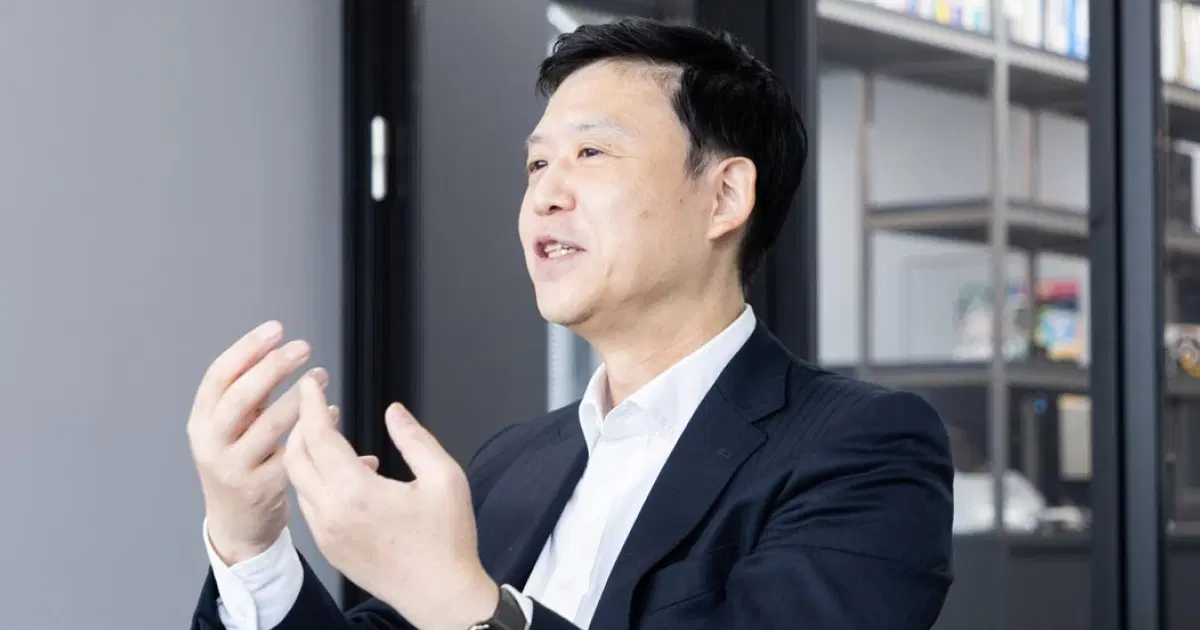
【Inside the CEO’s Mind #1】Why Corporate Design Matters: Lessons from Failure in My 20s as a Director
Hi there, I’m Nobuyuki Tanaka, CEO of Early Reflections Inc. Welcome to the first episode of Inside the CEO’s Mind. Today, I’d like to talk about something I’ve come to believe is essential for business success: corporate design. By this, I don’t mean just visual branding, but the very architecture of how a company is built and managed. Let me start by sharing a bit of my background. --- # My 9 Years as a Director in a Public Tech Firm After completing my master’s degree, I unexpectedly became a board director at a publicly listed IT company while still in my twenties. This happened when I attended a meeting as a favor to a friend, helping evaluate a company’s technology for potential investment. During the meeting, my technical insights and suggestions on business scalability of the system resonated with the group, leading to in-depth discussions. Although I initially attended to assist with the technical evaluation, my involvement became critical, and my appointment to the board turned into a condition for investment. At that point, the company had already established a strong technological advantage, having invented a technology similar to Google Maps years before Google’s launch. Over the next nine years, I helped scale the company from about 60 employees and ¥500 million in revenue to over 1,000 employees generating ¥10 billion. I managed several M&A initiatives and oversaw a broad portfolio of businesses, including U.S. security software, supercomputing, apparel manufacturing, and dam engineering. Some of these businesses flourished, achieving record profits. Others, despite having excellent technology and talented teams, struggled to reach their potential. Eventually, the company faced a serious crisis when the largest shareholder went bankrupt, triggering a loan default. I spent significant time handling legal disputes and crisis management. After I stepped down, the company gradually declined, losing talent and downsizing its most promising ventures. Ultimately, it no longer reflected the vibrant potential it once had. # Leaders and Shareholders Define a Company’s Fat Through these contrasting experiences, I learned an important lesson: **Even companies with strong competitive advantages in technology, talent, or branding can fail without effective leadership and governance.** During my tenure, I saw many promising businesses fail, including the IT company itself, a leading dam engineering firm in Japan, and a handbag brand with a compelling story and global potential. These failures were caused not by market conditions or lack of talent, but rather poor management and excessive shareholder control. Though I wasn’t the CEO, I felt a strong sense of responsibility. I came to realize that leadership and shareholder alignment are critical for business success. The future of any business, and the well-being of its people, depend heavily on how the company is structured and governed. This is the essence of corporate design. # From Reflection to Foundation Early Reflections was legally established while I was still at the public company. Initially, it was created as a placeholder, a shell company that supported small creative projects, such as releasing a friend’s CD or providing a platform for freelance designers to showcase their work. My younger brother, who was studying for his US CPA exam, served as its representative. After leaving the public company, I worked briefly on a life sciences project in China and then joined an education company to help launch new businesses. Despite its labor-intensive nature, its operational design was remarkably effective. Collaborating with former consultants from top global firms taught me invaluable lessons about management frameworks. Their methods broadened my perspective on management and shaped how I would later build Early Reflections. # Why Corporate Design Matters Having seen promising ventures collapse, I became determined to build a place where potential could genuinely thrive. That’s why I dedicate myself to corporate design—not as a superficial concept, but as the structural foundation needed for long-term success. --- In the next two episodes, I’ll explain the concept of corporate design and what it means to build a company as a platform. Then, I’ll show how I applied these principles in building Early Reflections. If you're interested in how thoughtful design can shape a company’s future, please continue to follow this series.
July 1, 2025
【Inside the CEO’s Mind #1】Why Corporate Design Matters: Lessons from Failure in My 20s as a Director
Hi there, I’m Nobuyuki Tanaka, CEO of Early Reflections Inc. Welcome to the first episode of Inside the CEO’s Mind. Today, I’d like to talk about something I’ve come to believe is essential for business success: corporate design. By this, I don’t mean just visual branding, but the very architecture of how a company is built and managed. Let me start by sharing a bit of my background. --- # My 9 Years as a Director in a Public Tech Firm After completing my master’s degree, I unexpectedly became a board director at a publicly listed IT company while still in my twenties. This happened when I attended a meeting as a favor to a friend, helping evaluate a company’s technology for potential investment. During the meeting, my technical insights and suggestions on business scalability of the system resonated with the group, leading to in-depth discussions. Although I initially attended to assist with the technical evaluation, my involvement became critical, and my appointment to the board turned into a condition for investment. At that point, the company had already established a strong technological advantage, having invented a technology similar to Google Maps years before Google’s launch. Over the next nine years, I helped scale the company from about 60 employees and ¥500 million in revenue to over 1,000 employees generating ¥10 billion. I managed several M&A initiatives and oversaw a broad portfolio of businesses, including U.S. security software, supercomputing, apparel manufacturing, and dam engineering. Some of these businesses flourished, achieving record profits. Others, despite having excellent technology and talented teams, struggled to reach their potential. Eventually, the company faced a serious crisis when the largest shareholder went bankrupt, triggering a loan default. I spent significant time handling legal disputes and crisis management. After I stepped down, the company gradually declined, losing talent and downsizing its most promising ventures. Ultimately, it no longer reflected the vibrant potential it once had. # Leaders and Shareholders Define a Company’s Fat Through these contrasting experiences, I learned an important lesson: **Even companies with strong competitive advantages in technology, talent, or branding can fail without effective leadership and governance.** During my tenure, I saw many promising businesses fail, including the IT company itself, a leading dam engineering firm in Japan, and a handbag brand with a compelling story and global potential. These failures were caused not by market conditions or lack of talent, but rather poor management and excessive shareholder control. Though I wasn’t the CEO, I felt a strong sense of responsibility. I came to realize that leadership and shareholder alignment are critical for business success. The future of any business, and the well-being of its people, depend heavily on how the company is structured and governed. This is the essence of corporate design. # From Reflection to Foundation Early Reflections was legally established while I was still at the public company. Initially, it was created as a placeholder, a shell company that supported small creative projects, such as releasing a friend’s CD or providing a platform for freelance designers to showcase their work. My younger brother, who was studying for his US CPA exam, served as its representative. After leaving the public company, I worked briefly on a life sciences project in China and then joined an education company to help launch new businesses. Despite its labor-intensive nature, its operational design was remarkably effective. Collaborating with former consultants from top global firms taught me invaluable lessons about management frameworks. Their methods broadened my perspective on management and shaped how I would later build Early Reflections. # Why Corporate Design Matters Having seen promising ventures collapse, I became determined to build a place where potential could genuinely thrive. That’s why I dedicate myself to corporate design—not as a superficial concept, but as the structural foundation needed for long-term success. --- In the next two episodes, I’ll explain the concept of corporate design and what it means to build a company as a platform. Then, I’ll show how I applied these principles in building Early Reflections. If you're interested in how thoughtful design can shape a company’s future, please continue to follow this series.
July 1, 2025
下水施設劣化検出AIモデルの開発
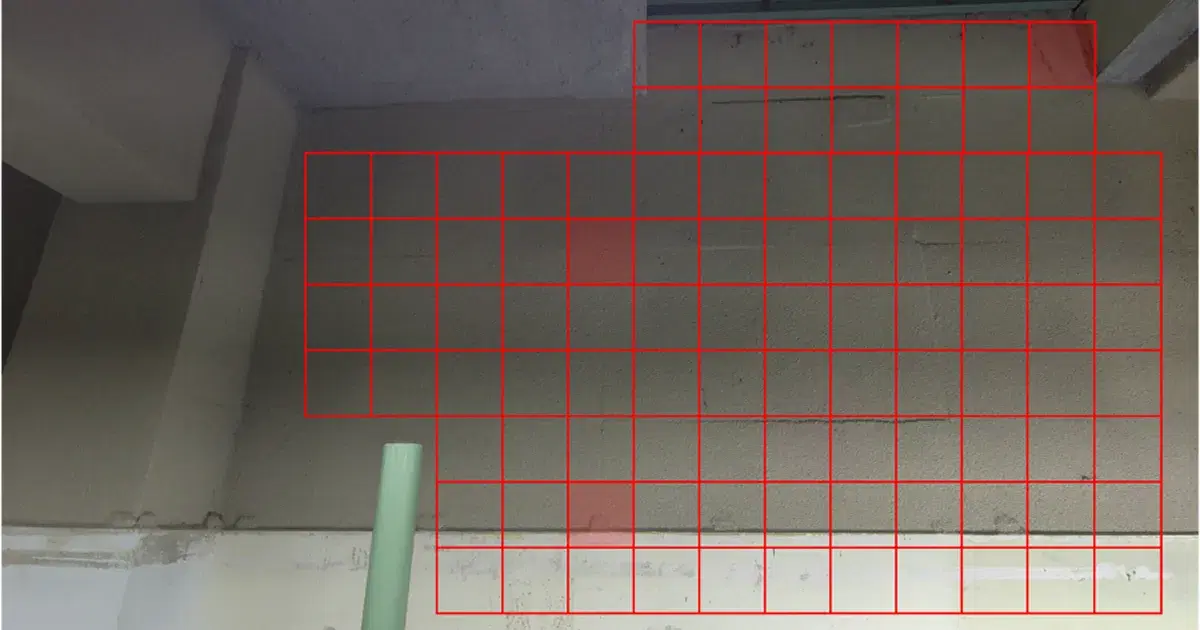
# 下水施設劣化検出AIモデルの開発 ドローンなどで撮影した画像をAIでスクリーニングし、ひび割れや漏水、鉄筋腐食などの施設劣化を迅速に検出します。 下水施設の劣化検出にAI画像識別技術を活用することで、従来の技術者による目視点検を効率化し、作業負担の軽減と点検精度の向上を実現します。 クライアント: 建設コンサルタント リリース日: 2022年4月 テクノロジー: YOLO、Pytorch # 技術者の負担軽減 ドローンなどで撮影した画像をAIを用いてスクリーニングし、異常箇所を自動で迅速に検出します。 技術者が施設全体を目視で点検・確認する必要がなくなり、点検作業の負担を大幅に軽減。業務効率化を実現します。 # 高精度な異常検出モデルの実現 施設の劣化は、時間の経過とともに複雑なパターンや微細な変化として現れることが多く、従来の物理的調査では見落とされがちです。 当社では、独自のデータ拡張手法を用いたAIモデルの訓練に加え、運用段階でも取得データを活用した再学習や検出閾値の調整を継続的に実施。 これにより、さまざまな環境条件下においても高精度な異常検出が可能です。 # 多様な劣化種類に対応 本AIモデルは、ひび割れ、漏水、鉄筋腐食、露出、浮き、表面剥離など、施設に生じる多様な劣化パターンに対応しています。 これにより、早期対応が求められる異常の見逃しを防ぎ、網羅的かつ効率的な異常検出を実現します。
June 24, 2025
下水施設劣化検出AIモデルの開発
# 下水施設劣化検出AIモデルの開発 ドローンなどで撮影した画像をAIでスクリーニングし、ひび割れや漏水、鉄筋腐食などの施設劣化を迅速に検出します。 下水施設の劣化検出にAI画像識別技術を活用することで、従来の技術者による目視点検を効率化し、作業負担の軽減と点検精度の向上を実現します。 クライアント: 建設コンサルタント リリース日: 2022年4月 テクノロジー: YOLO、Pytorch # 技術者の負担軽減 ドローンなどで撮影した画像をAIを用いてスクリーニングし、異常箇所を自動で迅速に検出します。 技術者が施設全体を目視で点検・確認する必要がなくなり、点検作業の負担を大幅に軽減。業務効率化を実現します。 # 高精度な異常検出モデルの実現 施設の劣化は、時間の経過とともに複雑なパターンや微細な変化として現れることが多く、従来の物理的調査では見落とされがちです。 当社では、独自のデータ拡張手法を用いたAIモデルの訓練に加え、運用段階でも取得データを活用した再学習や検出閾値の調整を継続的に実施。 これにより、さまざまな環境条件下においても高精度な異常検出が可能です。 # 多様な劣化種類に対応 本AIモデルは、ひび割れ、漏水、鉄筋腐食、露出、浮き、表面剥離など、施設に生じる多様な劣化パターンに対応しています。 これにより、早期対応が求められる異常の見逃しを防ぎ、網羅的かつ効率的な異常検出を実現します。
June 24, 2025
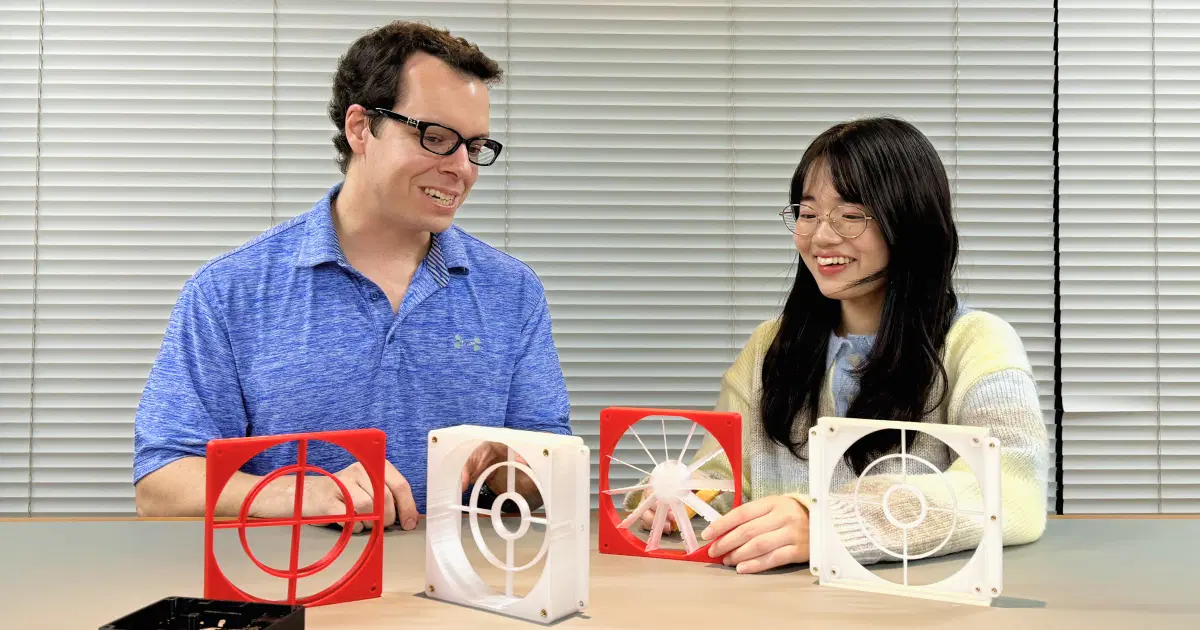
Meet Greg: A Visionary Engineer Shaping the Future at Early Reflections -Engineer Greg Gutmann-
In December 2024, we interviewed Greg, an accomplished engineer who joined Early Reflections in November 2024. With a background that spans NASA internships, a Ph.D. from Tokyo Tech, and years of VR and computational research, Greg brings exceptional expertise to our team. Beyond work, his passion for technology extends to hobbies such as building drones. In this interview, we explore his journey, motivations, and goals at Early Reflections. :::container # Profile Greg earned his bachelor's degrees in Computer Science and East Asian Studies from John Carroll University in 2013. During his studies, he interned at NASA's Center for Climate Simulation and Earth Science departments. He later pursued a master's and Ph.D. in Computational Intelligence and Systems Science at Tokyo Institute of Technology (Tokyo Tech). Since then, the department has been renamed the Computer Science Department at the Institute of Science Tokyo. After graduation, he worked as an assistant professor at Tokyo Tech for five years, during which he conducted research in GPU computing, high-performance computing (HPC), 3D visualization, and artificial intelligence (AI). Following that, he spent approximately four years leading a VR research team at an advanced technology institute while also working as a senior system architect for a high-performance computing (HPC) company specializing in cutting-edge technologies. In November 2024, Greg joined Early Reflections as an engineer, looking forward to contributing to multiple projects with his diverse expertise. ::: # What did you major in the university? I studied Computer Science and Japanese at John Carroll University in the United States. # You had a double major. What made you choose to study Japanese? Carroll is a liberal arts college, so I had the opportunity to study a foreign language. Among the options, I chose Japanese because I found Japan incredibly fascinating. Japan is a safe and highly modern country with a very different culture from the U.S. I was drawn to this contrast, and during my studies, I also had the chance to study abroad at Nanzan University in Japan. # What did you study at Nanzan University? What did you study at Nanzan University? Then, I learned about the Ministry of Education's scholarship program and decided to return to Japan to pursue a master’s degree. I thought studying in Japan would be more exciting than attending graduate school in the U.S. because it offers me not only a degree but also completely new experiences. # Before returning to Japan, you interned at NASA as a university student, right? Could you tell us about your experience there? I worked in the High-Performance Computing division at NASA’s Center for Climate Simulation. While the center specialized in climate research, my team collaborated frequently with other divisions, which allowed me to work with the Earth Science department as well. I was particularly involved in improving the speed of supercomputing processes to help simulate stellar magnetic fields. This work has potential applications in predicting solar weather, which significantly affects Earth's climate. # That’s an incredible experience. After graduating from university, you returned to Japan, correct? Yes, I pursued graduate studies at the Tokyo Institute of Technology (Tokyo Tech) in the Department of Computer Science. I was part of a bioinformatics lab, where I focused on creating interactive microtubule simulations. The interactive aspect was a key feature from my view, as it enabled us to verify results quickly and intuitively, much like the immersive and engaging experience of playing video games. Eventually, I moved on to working on VR-based simulations, researching ways to make simulations interactive within VR environments. # After earning your master's and Ph.D. at Tokyo Tech, what did you do before joining Early Reflections? After graduating from Tokyo Tech, I worked as an assistant professor in the same lab for five years. In addition to conducting research, I taught GPU programming and AI in English to Tokyo Tech students. After that, I spent about four years leading a VR research team at an advanced technology institute while working as a senior system architect at a high-performance computing company specializing in computational and simulation technologies. # What made you join Early Reflections? I enjoyed my previous job, but due to unforeseen changes within the company, I decided to seek new opportunities. I learned about Early Reflections through a professional connection at my previous company and was attracted to its environment filled with young and talented individuals. Early Reflections has a vibrant atmosphere with great peers, as well as opportunities to meet a range of interesting people at its “Early Bar” events. Additionally, at my previous job, most colleagues specialized in biology, so I rarely had the chance to collaborate with people in my field of expertise. Early Reflections, however, has numerous tech and business experts, and I’m excited to learn and grow in such a stimulating environment. # With your skills and background, it seems you could have also joined a Big Tech company. Did you consider that option? I find working in smaller, fast-paced companies to be more straightforward. Smaller organizations allow you to see the impact of your contributions more clearly. Additionally, the fast-changing nature of such companies means that if I don’t enjoy one project, I can quickly move on to something else. # It sounds like Early Reflections is a perfect fit for you. Have you started working on any projects yet? Right now, I’m exploring various projects to decide where I’ll contribute more fully in the future. Since most of our projects involve web development, I’ve been working on a learning project—building a website in two weeks—as I had no prior experience with web programming. Even though I haven’t fully joined a project yet, I specialize in 3D visualization, so I believe I could contribute significantly to improving BIMSTOK, which utilizes 3D models. # BIMSTOK seems like a great match for your expertise. Are there any other projects you’d like to work on? Outside of web development, I’m particularly interested in projects involving LiDAR technology. LiDAR involves using laser beams to measure the time it takes for light to bounce back, which allows for the creation of highly detailed 3D maps of the environment. I’m also passionate about robotics, 3D animation, and VR, and I’d love to collaborate with companies in those fields. I found it very interesting when Early Reflections hosted its regular "Early Bar" event and invited companies from such industries. # You have a very wide range of interests! Yes, in my free time, I enjoy creating new things such as drones and RC cars. Recently, I’ve been trying to make an aquarium at my house. ▼99-gram drone to meet Japan’s drone laws on toy drone  ▼Four-wheel drive RC Car  # I noticed some of your creations displayed in the office! Could you tell us more about your aquarium? It sounds fascinating! I’m currently in the early stages of building it. To complete the setup, I need to design and assemble the tank, filter, lighting, and sensing systems. The design requires smart lighting and sensing, as well as earthquake resistance. Additionally, I aim to keep all the equipment contained within the tank itself, with nothing hanging off the back. This approach maximizes available table or apartment space, making it more compact and efficient. Working on aquariums has also given me extra motivation to learn about chemistry and biology. I’ve been diving into topics like the nitrogen and phosphorus cycles, light wavelength transmission in water, and how different wavelengths affect plant growth and beneficial bacteria. It’s been challenging but also rewarding! ▼Greg’s first acrylic cutting, welding, and tube bending  # It’s been about a month since you joined. How are you finding the experience so far? My first month at Early Reflections has been a smooth and enjoyable experience, thanks to the welcoming environment and the supportive team members. With their help, I’ve been learning about web development, an area I hadn’t explored before. I am also fortunate to be involved in various projects and look forward to contributing to future ones. In particular, I see great potential in leveraging my expertise in GPU technologies for 3D visualization and AI-related projects. Over the past 12 years, I’ve worked extensively with GPU programming, especially in graphics processing and AI applications. I’m also a certified NVIDIA Deep Learning Institute instructor, which has provided me with valuable experience in deep learning education. I aim to apply this background to Early’s new initiative, “Early AI,” which focuses on using AI and data technologies to deliver innovative solutions and foster industry-wide data collaboration. As a member of the launch team, my primary goal is to strengthen AI capabilities and drive the application of GPU technologies within this project. Additionally, I’m participating in discussions about expanding into the US and global markets. With my international experience and roots in the US, I’m eager to contribute to Early’s global business development by building on its technical strengths. Through collaborations with internal teams and external partners, I hope to enhance Early’s technological capabilities, especially in AI, simulation, and GPU-driven projects. # Finally, what is your future goals? Through the launch of “Early AI” and our global expansion, I aim to work on projects that have a significant impact on the global tech market. I also hope to expand my knowledge in business and industry while exploring new challenges in AI and robotics, including LLMs and computer vision. By utilizing AI and GPU technologies, I aspire to create new value, contribute to Early’s growth, and continue evolving as a technologist. --- Greg’s journey exemplifies the spirit of curiosity and growth we value at Early Reflections. His unique blend of expertise, passion for innovation, and eagerness to explore new frontiers make him a perfect fit for our dynamic team. We look forward to seeing his incredible contributions to Early Reflections and the global tech market in the near future!
January 15, 2025
Meet Greg: A Visionary Engineer Shaping the Future at Early Reflections -Engineer Greg Gutmann-
In December 2024, we interviewed Greg, an accomplished engineer who joined Early Reflections in November 2024. With a background that spans NASA internships, a Ph.D. from Tokyo Tech, and years of VR and computational research, Greg brings exceptional expertise to our team. Beyond work, his passion for technology extends to hobbies such as building drones. In this interview, we explore his journey, motivations, and goals at Early Reflections. :::container # Profile Greg earned his bachelor's degrees in Computer Science and East Asian Studies from John Carroll University in 2013. During his studies, he interned at NASA's Center for Climate Simulation and Earth Science departments. He later pursued a master's and Ph.D. in Computational Intelligence and Systems Science at Tokyo Institute of Technology (Tokyo Tech). Since then, the department has been renamed the Computer Science Department at the Institute of Science Tokyo. After graduation, he worked as an assistant professor at Tokyo Tech for five years, during which he conducted research in GPU computing, high-performance computing (HPC), 3D visualization, and artificial intelligence (AI). Following that, he spent approximately four years leading a VR research team at an advanced technology institute while also working as a senior system architect for a high-performance computing (HPC) company specializing in cutting-edge technologies. In November 2024, Greg joined Early Reflections as an engineer, looking forward to contributing to multiple projects with his diverse expertise. ::: # What did you major in the university? I studied Computer Science and Japanese at John Carroll University in the United States. # You had a double major. What made you choose to study Japanese? Carroll is a liberal arts college, so I had the opportunity to study a foreign language. Among the options, I chose Japanese because I found Japan incredibly fascinating. Japan is a safe and highly modern country with a very different culture from the U.S. I was drawn to this contrast, and during my studies, I also had the chance to study abroad at Nanzan University in Japan. # What did you study at Nanzan University? What did you study at Nanzan University? Then, I learned about the Ministry of Education's scholarship program and decided to return to Japan to pursue a master’s degree. I thought studying in Japan would be more exciting than attending graduate school in the U.S. because it offers me not only a degree but also completely new experiences. # Before returning to Japan, you interned at NASA as a university student, right? Could you tell us about your experience there? I worked in the High-Performance Computing division at NASA’s Center for Climate Simulation. While the center specialized in climate research, my team collaborated frequently with other divisions, which allowed me to work with the Earth Science department as well. I was particularly involved in improving the speed of supercomputing processes to help simulate stellar magnetic fields. This work has potential applications in predicting solar weather, which significantly affects Earth's climate. # That’s an incredible experience. After graduating from university, you returned to Japan, correct? Yes, I pursued graduate studies at the Tokyo Institute of Technology (Tokyo Tech) in the Department of Computer Science. I was part of a bioinformatics lab, where I focused on creating interactive microtubule simulations. The interactive aspect was a key feature from my view, as it enabled us to verify results quickly and intuitively, much like the immersive and engaging experience of playing video games. Eventually, I moved on to working on VR-based simulations, researching ways to make simulations interactive within VR environments. # After earning your master's and Ph.D. at Tokyo Tech, what did you do before joining Early Reflections? After graduating from Tokyo Tech, I worked as an assistant professor in the same lab for five years. In addition to conducting research, I taught GPU programming and AI in English to Tokyo Tech students. After that, I spent about four years leading a VR research team at an advanced technology institute while working as a senior system architect at a high-performance computing company specializing in computational and simulation technologies. # What made you join Early Reflections? I enjoyed my previous job, but due to unforeseen changes within the company, I decided to seek new opportunities. I learned about Early Reflections through a professional connection at my previous company and was attracted to its environment filled with young and talented individuals. Early Reflections has a vibrant atmosphere with great peers, as well as opportunities to meet a range of interesting people at its “Early Bar” events. Additionally, at my previous job, most colleagues specialized in biology, so I rarely had the chance to collaborate with people in my field of expertise. Early Reflections, however, has numerous tech and business experts, and I’m excited to learn and grow in such a stimulating environment. # With your skills and background, it seems you could have also joined a Big Tech company. Did you consider that option? I find working in smaller, fast-paced companies to be more straightforward. Smaller organizations allow you to see the impact of your contributions more clearly. Additionally, the fast-changing nature of such companies means that if I don’t enjoy one project, I can quickly move on to something else. # It sounds like Early Reflections is a perfect fit for you. Have you started working on any projects yet? Right now, I’m exploring various projects to decide where I’ll contribute more fully in the future. Since most of our projects involve web development, I’ve been working on a learning project—building a website in two weeks—as I had no prior experience with web programming. Even though I haven’t fully joined a project yet, I specialize in 3D visualization, so I believe I could contribute significantly to improving BIMSTOK, which utilizes 3D models. # BIMSTOK seems like a great match for your expertise. Are there any other projects you’d like to work on? Outside of web development, I’m particularly interested in projects involving LiDAR technology. LiDAR involves using laser beams to measure the time it takes for light to bounce back, which allows for the creation of highly detailed 3D maps of the environment. I’m also passionate about robotics, 3D animation, and VR, and I’d love to collaborate with companies in those fields. I found it very interesting when Early Reflections hosted its regular "Early Bar" event and invited companies from such industries. # You have a very wide range of interests! Yes, in my free time, I enjoy creating new things such as drones and RC cars. Recently, I’ve been trying to make an aquarium at my house. ▼99-gram drone to meet Japan’s drone laws on toy drone  ▼Four-wheel drive RC Car  # I noticed some of your creations displayed in the office! Could you tell us more about your aquarium? It sounds fascinating! I’m currently in the early stages of building it. To complete the setup, I need to design and assemble the tank, filter, lighting, and sensing systems. The design requires smart lighting and sensing, as well as earthquake resistance. Additionally, I aim to keep all the equipment contained within the tank itself, with nothing hanging off the back. This approach maximizes available table or apartment space, making it more compact and efficient. Working on aquariums has also given me extra motivation to learn about chemistry and biology. I’ve been diving into topics like the nitrogen and phosphorus cycles, light wavelength transmission in water, and how different wavelengths affect plant growth and beneficial bacteria. It’s been challenging but also rewarding! ▼Greg’s first acrylic cutting, welding, and tube bending  # It’s been about a month since you joined. How are you finding the experience so far? My first month at Early Reflections has been a smooth and enjoyable experience, thanks to the welcoming environment and the supportive team members. With their help, I’ve been learning about web development, an area I hadn’t explored before. I am also fortunate to be involved in various projects and look forward to contributing to future ones. In particular, I see great potential in leveraging my expertise in GPU technologies for 3D visualization and AI-related projects. Over the past 12 years, I’ve worked extensively with GPU programming, especially in graphics processing and AI applications. I’m also a certified NVIDIA Deep Learning Institute instructor, which has provided me with valuable experience in deep learning education. I aim to apply this background to Early’s new initiative, “Early AI,” which focuses on using AI and data technologies to deliver innovative solutions and foster industry-wide data collaboration. As a member of the launch team, my primary goal is to strengthen AI capabilities and drive the application of GPU technologies within this project. Additionally, I’m participating in discussions about expanding into the US and global markets. With my international experience and roots in the US, I’m eager to contribute to Early’s global business development by building on its technical strengths. Through collaborations with internal teams and external partners, I hope to enhance Early’s technological capabilities, especially in AI, simulation, and GPU-driven projects. # Finally, what is your future goals? Through the launch of “Early AI” and our global expansion, I aim to work on projects that have a significant impact on the global tech market. I also hope to expand my knowledge in business and industry while exploring new challenges in AI and robotics, including LLMs and computer vision. By utilizing AI and GPU technologies, I aspire to create new value, contribute to Early’s growth, and continue evolving as a technologist. --- Greg’s journey exemplifies the spirit of curiosity and growth we value at Early Reflections. His unique blend of expertise, passion for innovation, and eagerness to explore new frontiers make him a perfect fit for our dynamic team. We look forward to seeing his incredible contributions to Early Reflections and the global tech market in the near future!
January 15, 2025
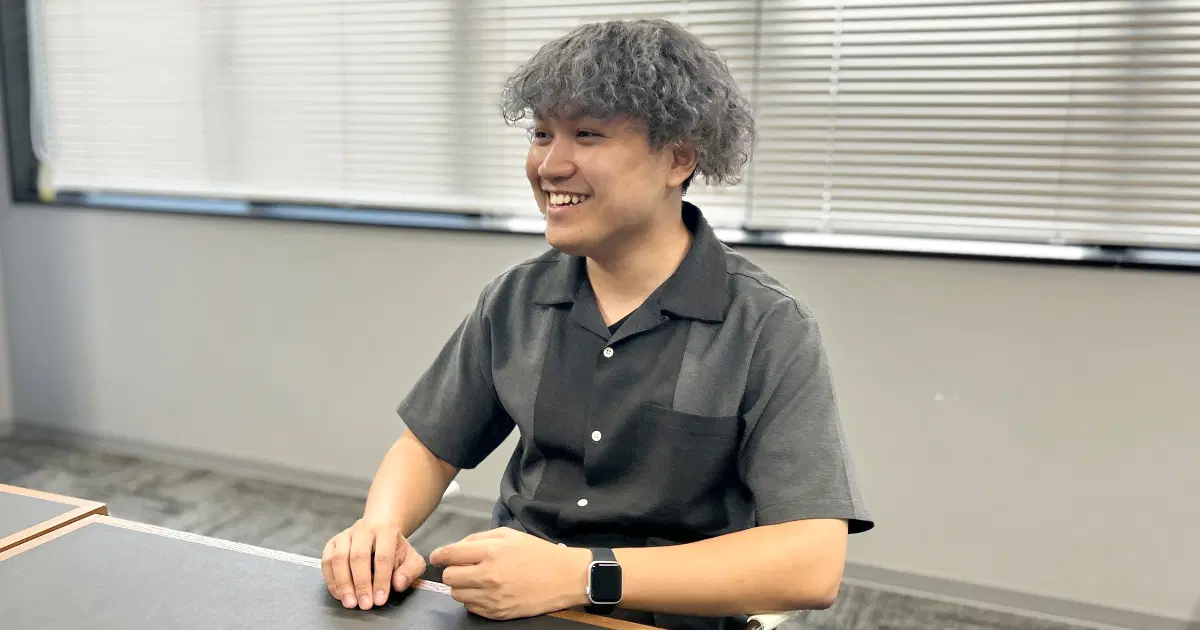
Make the company bigger: From Code to Company Growth - Software engineer Jay Nicolas (Part 2)
:::container # Profile Majored in Web Development and Human-Computer Interaction in the Department of Computer Science, College of Arts and Sciences at the University of the Philippines. Driven by a passion for creating engaging digital experiences that make learning enjoyable, he developed educational games and toolkits during his studies. After graduation, he moved to Japan and worked as a software engineer at a major IT company. Gained experience with SOC protocols in the security services operation team, created SOAR solutions using Python, automated processes with Ansible, and developed cybersecurity products and services. Joined Early Reflection as a software engineer in March 2024. Actively involved in multiple projects including in-house product development, contract development, and research and development. ::: In the next part of Jay’s journey at Early Reflections, we see how his goals have changed from simply wanting to develop software to helping the company grow actively. Initially attracted to Early Reflections by its people and culture, Jay now discusses his experiences working as a foreign employee and the flexibility that maximizes his productivity. He also shares how the company supports its employees in unleashing their full potential. # Working at Early Reflections, is there anything that made you feel comfortable as a foreign worker? One thing is that I can speak English whenever I want, as almost everyone here understands English. I remember that during my first week of work, I had an opportunity to do a presentation. At that time, I was worried about whether I should do it in Japanese. But CEO Tanaka assured me that I could choose whichever I felt most comfortable with, so I decided to do it mainly in English. # Great. If somebody who doesn’t speak Japanese that much joins Early Reflections, do you think they can catch up? Yes, I think so. One of our goals is to expand into the global market, so we are planning on how to accommodate foreign workers better. This includes more English presentations, meetings, and converting our materials to English. As a foreign worker, I am, of course, trying to improve my Japanese. But my Japanese coworkers are also improving their English so we can communicate better. For example, I send messages in English on Slack every day, and everyone tries to reply in English. I don’t push myself to create perfect Japanese sentences. I just write it in English at first, and sometimes add some Japanese. We all try to adjust ourselves for each other, which is excellent for promoting diversity. # Perfect. You said culture code No.6 hooked you because it values personal time. How has it been actually working for your work? Apart from meetings, I have the flexibility to manage my own time, which I believe maximizes productivity. As a morning person, I start my day at home, doing research for the program I will write later in the day. I usually arrive at the office before before 11 a.m. Most of the time, we eat lunch together, and I always enjoy some snacks later in the afternoon. Occasionally, I finish my work by 4 or 5 p.m., and when that happens, I go home early. # So, you leave when you are done with your work. It’s not like you stay until working hours end. Yes. I believe that work should be output-based, especially in tech companies. Everyone has their own optimal time to focus. Some people, like me, can focus more in the morning, while others find different times more effective. As a morning person, my brain gets tired in the evening. So, I start my work early and get things done fast with high focus. As soon as I finish my work, I can leave. There is no use in pretending to be working; It’s better to rest or study for the next day. When I was in a big corporation, I hesitated to leave early. As long as my boss and colleagues were still working, I used to feel like I needed to stay. But now, I don’t have to be worried since Early Reflections values personal time as a company. # I see. It seems like a flexible working environment suits you. How about your coworkers? What are their working styles like? The working styles of my colleagues are quite varied. For example, one colleague primarily works remotely to raise their child, while another takes a nap after lunch. Everyone adapts their schedule to what suits them best within our core working hours. # That's interesting...... By the way, there is another interesting program at Early Reflections. # What is it? We have something called “Personal Growth Hour” every Friday afternoon, where we dedicate time to studying. Studying is considered part of our work because learning enables us to create new things. It’s a perfect cycle. Balancing a full-time job with study time can be challenging, but having Fridays set aside for this purpose makes it manageable. I take pleasure in it because I love studying.  # Great. Do you think working at Early Reflections maximizes your potential? Yes, I do. When I was in a big corporation, I was expected to stay within one field. However, in a startup, everyone needs to be a generalist. For example, I’m currently assigned to a project related to data analysis, a field I knew almost nothing about initially. But I’m trying to learn how to do it, with the help of my coworker, who’s a data scientist. At Early Reflections, I know that I am not just a software engineer; I can do more. I can leverage my English proficiency and interpersonal skills for business development as well. That's why I’m trying to add business development tasks and thinking about how to globalize our company. # I love your passion. Were you that passionate from the beginning? No, actually. At first, I thought I would be just a regular developer. My main goal was to develop products and help the members learn more about programming and software engineering. # What made you change like that? Around April, CEO Tanaka asked me, “What do you want to achieve in five years?” I was confused, as I had never thought about that. At the time, my response was, “Maybe just development?”. However, after a while, I realized that just focusing on development wasn’t as fulfilling as I had expected. I started to think about how I could contribute to making the company bigger. In particular, I saw many opportunities to help globalize the company. # What is Early Reflections currently working on to globalize the company? We are developing a product that can be used by almost anyone in the world. Also, we post English content on LinkedIn and Facebook. Moving forward, we plan to add English features to our company website and our products. We are also eager to establish a branch abroad and hire a more diverse workforce. # I see. Are you the only one who works in so many aspects, or is everyone like this? Everyone makes their contribution. For me, it's the globalization of the company. One of my coworkers, focuses on developing new products, while another is learning finance to help build the company. Early Reflections offers us opportunities to pursue our passion for the company, allowing us to grow both individually and as a team.  Thank you, Jay, for sharing your experiences in this two-part interview. We look forward to seeing more of your success and contributions at Early Reflections!
August 8, 2024
Make the company bigger: From Code to Company Growth - Software engineer Jay Nicolas (Part 2)
:::container # Profile Majored in Web Development and Human-Computer Interaction in the Department of Computer Science, College of Arts and Sciences at the University of the Philippines. Driven by a passion for creating engaging digital experiences that make learning enjoyable, he developed educational games and toolkits during his studies. After graduation, he moved to Japan and worked as a software engineer at a major IT company. Gained experience with SOC protocols in the security services operation team, created SOAR solutions using Python, automated processes with Ansible, and developed cybersecurity products and services. Joined Early Reflection as a software engineer in March 2024. Actively involved in multiple projects including in-house product development, contract development, and research and development. ::: In the next part of Jay’s journey at Early Reflections, we see how his goals have changed from simply wanting to develop software to helping the company grow actively. Initially attracted to Early Reflections by its people and culture, Jay now discusses his experiences working as a foreign employee and the flexibility that maximizes his productivity. He also shares how the company supports its employees in unleashing their full potential. # Working at Early Reflections, is there anything that made you feel comfortable as a foreign worker? One thing is that I can speak English whenever I want, as almost everyone here understands English. I remember that during my first week of work, I had an opportunity to do a presentation. At that time, I was worried about whether I should do it in Japanese. But CEO Tanaka assured me that I could choose whichever I felt most comfortable with, so I decided to do it mainly in English. # Great. If somebody who doesn’t speak Japanese that much joins Early Reflections, do you think they can catch up? Yes, I think so. One of our goals is to expand into the global market, so we are planning on how to accommodate foreign workers better. This includes more English presentations, meetings, and converting our materials to English. As a foreign worker, I am, of course, trying to improve my Japanese. But my Japanese coworkers are also improving their English so we can communicate better. For example, I send messages in English on Slack every day, and everyone tries to reply in English. I don’t push myself to create perfect Japanese sentences. I just write it in English at first, and sometimes add some Japanese. We all try to adjust ourselves for each other, which is excellent for promoting diversity. # Perfect. You said culture code No.6 hooked you because it values personal time. How has it been actually working for your work? Apart from meetings, I have the flexibility to manage my own time, which I believe maximizes productivity. As a morning person, I start my day at home, doing research for the program I will write later in the day. I usually arrive at the office before before 11 a.m. Most of the time, we eat lunch together, and I always enjoy some snacks later in the afternoon. Occasionally, I finish my work by 4 or 5 p.m., and when that happens, I go home early. # So, you leave when you are done with your work. It’s not like you stay until working hours end. Yes. I believe that work should be output-based, especially in tech companies. Everyone has their own optimal time to focus. Some people, like me, can focus more in the morning, while others find different times more effective. As a morning person, my brain gets tired in the evening. So, I start my work early and get things done fast with high focus. As soon as I finish my work, I can leave. There is no use in pretending to be working; It’s better to rest or study for the next day. When I was in a big corporation, I hesitated to leave early. As long as my boss and colleagues were still working, I used to feel like I needed to stay. But now, I don’t have to be worried since Early Reflections values personal time as a company. # I see. It seems like a flexible working environment suits you. How about your coworkers? What are their working styles like? The working styles of my colleagues are quite varied. For example, one colleague primarily works remotely to raise their child, while another takes a nap after lunch. Everyone adapts their schedule to what suits them best within our core working hours. # That's interesting...... By the way, there is another interesting program at Early Reflections. # What is it? We have something called “Personal Growth Hour” every Friday afternoon, where we dedicate time to studying. Studying is considered part of our work because learning enables us to create new things. It’s a perfect cycle. Balancing a full-time job with study time can be challenging, but having Fridays set aside for this purpose makes it manageable. I take pleasure in it because I love studying.  # Great. Do you think working at Early Reflections maximizes your potential? Yes, I do. When I was in a big corporation, I was expected to stay within one field. However, in a startup, everyone needs to be a generalist. For example, I’m currently assigned to a project related to data analysis, a field I knew almost nothing about initially. But I’m trying to learn how to do it, with the help of my coworker, who’s a data scientist. At Early Reflections, I know that I am not just a software engineer; I can do more. I can leverage my English proficiency and interpersonal skills for business development as well. That's why I’m trying to add business development tasks and thinking about how to globalize our company. # I love your passion. Were you that passionate from the beginning? No, actually. At first, I thought I would be just a regular developer. My main goal was to develop products and help the members learn more about programming and software engineering. # What made you change like that? Around April, CEO Tanaka asked me, “What do you want to achieve in five years?” I was confused, as I had never thought about that. At the time, my response was, “Maybe just development?”. However, after a while, I realized that just focusing on development wasn’t as fulfilling as I had expected. I started to think about how I could contribute to making the company bigger. In particular, I saw many opportunities to help globalize the company. # What is Early Reflections currently working on to globalize the company? We are developing a product that can be used by almost anyone in the world. Also, we post English content on LinkedIn and Facebook. Moving forward, we plan to add English features to our company website and our products. We are also eager to establish a branch abroad and hire a more diverse workforce. # I see. Are you the only one who works in so many aspects, or is everyone like this? Everyone makes their contribution. For me, it's the globalization of the company. One of my coworkers, focuses on developing new products, while another is learning finance to help build the company. Early Reflections offers us opportunities to pursue our passion for the company, allowing us to grow both individually and as a team.  Thank you, Jay, for sharing your experiences in this two-part interview. We look forward to seeing more of your success and contributions at Early Reflections!
August 8, 2024
Jay’s Journey: Embracing Innovation and Growth at Early Reflections -Software Engineer Jay Nicolas (Part 1)
Jay's journey from the University of the Philippines to Early Reflections showcases his dedication to lifelong learning and innovation. Starting as a software engineer in Japan's cybersecurity sector, Jay cultivated a passion for generative AI. In March 2024, he joined Early Reflections, where he actively contributed to a range of innovative projects. In this interview, Jay shares insights about his career path, the challenges he has overcome, and the factors that attracted him to the dynamic culture at Early Reflections. :::container # Profile Majored in Web Development and Human-Computer Interaction in the Department of Computer Science, College of Arts and Sciences at the University of the Philippines. Driven by a passion for creating engaging digital experiences that make learning enjoyable, he developed educational games and toolkits during his studies. After graduation, he moved to Japan and worked as a software engineer at a major IT company. Gained experience with SOC protocols in the security services operation team, created SOAR solutions using Python, automated processes with Ansible, and developed cybersecurity products and services. Joined Early Reflection as a software engineer in March 2024. Actively involved in multiple projects including in-house product development, contract development, and research and development. ::: # Can you tell us about your previous job? After graduating from the University of the Philippines, I moved to Japan because a Japanese deployment company hired me. First, I worked for a cybersecurity consulting company for four months. Then, I was assigned to a large telecommunications company where I eventually became a permanent employee and worked for around four years. I enjoyed working in a security product development team and handling multiple projects simultaneously. # You liked the previous job, right? What made you think about leaving there? I just wanted to do something else, specifically generative AI development. Around 2022, I became strongly interested in generative AI and began studying it independently. In my spare time, I read research papers about generative AI and experimented with creating applications. Having worked in cybersecurity for about four years, I felt it was the right moment to transition to a new and exciting field. # Didn’t you think about moving to a different department in the company? Well, making changes within a large company is challenging due to the extensive bureaucracy. It’s not that easy to drop everything and switch fields, especially when I was already responsible for numerous projects within the cybersecurity development team. This complexity left me with only one viable option: changing companies. # I see. What kind of company were you looking for? Initially, I thought of leaving Japan. However, I soon realized that I wanted to stay. Despite receiving significant offers from international companies, I chose to decline them all. # It’s a big decision. Why did you want to keep working in Japan? For me, it’s not about the money; it’s about learning. Technology in Japan is advanced internationally, but some fields still need development. That’s beneficial for my growth because I can learn by striving to improve it. I don’t want to be part of a company that’s already perfect. You won’t learn anything from that. I believe that people will learn by building a company. I want to be part of a team that works towards making a company perfect.  # Great. I’m inspired by your passion for learning. How did you find Early Reflections? At that time, I felt disoriented and uncertain about my next steps. So, I consulted with a former coworker, who happened to be working at Early Reflections. When I mentioned that I was considering leaving my current company, he revealed that he was actually about to ask me to join Early Reflections. # What a coincidence! I know, right? He invited me to their end-of-year party. When I went, I got a chance to socialize with the members, and all I could say was that I really liked the people and their culture. # What did you like about the people at Early Reflections? My first impression was, “Oh, these people are awesome.” They were laughing and enjoying conversations with each other, regardless of age. This surprised me because, in my experience at a large company, it was challenging to form friendships with older colleagues. # What did you like about the culture at Early Reflections? My favorite culture code is No. 7, which values personal time. As a foreigner, I’m not accustomed to working long hours. In the Philippines, we have a more relaxed approach to work. We start around 8 or 9 a.m., enjoy lunch and snacks together, and engage in conversations throughout the day. Everyone typically leaves around 5 pm. Growing up in such a culture, I don’t like overtime. However, I had to work overtime when I was employed by a big company. On the other hand, Early Reflections values personal time. Although we have core hours, I can manage my time freely. I appreciate this approach because it allows me to be more productive in this way. I can complete my work efficiently with a strong focus, and then spend the rest of the time recharging and studying for the next day. # What kind of projects have you worked on? In the first month, I studied our products and projects. In the second month, I started developing a new feature for our product, BIMSTOK. In the third and fourth months, I simultaneously worked on product development, contract development, research and development, and planning new products. The fields I cover are diverse, including web development, IoT, and generative AI. As someone who loves learning and has a wide range of interests, I am truly grateful to be involved in various projects. # Wow. You are active on many projects. Do you think you grow faster than you used to when you worked for a big company? Definitely, yes. The key advantage of startups is speed, which is our main strength. As a startup, it is crucial to appeal to customers by developing products rapidly and creating as many projects as possible. As I mentioned, I’m handling many projects across different fields simultaneously, allowing me to learn many things quickly. # I see. That’s right. Also, big companies tend to divide tasks and you can’t get involved in the whole project. Indeed. The other point is that it’s difficult to make changes in a big company. There are many phases before someone can change even the tiniest little thing. That’s not innovation. As a software engineer, I want to change the world. To do that, it should be fast because the world is changing rapidly, especially after AI became popular. I wanted to do generative AI at my previous company, but it will take a lot of time to get approval there. In my current job, I just need to ask the CEO, Mr. Tanaka, then I’ll get an answer. The good thing is that he’s eager to make changes. # I think so, too. His positive attitude toward change is verified by culture code No. 8: Try to do more things to change the world. Right. Let me tell you one episode that surprised me with how fast he accepted a change. I used to visit the office before joining Early Reflections. One day, I said to him that they should have bigger monitors. The next time I visited the office, a few weeks later, I found they had already changed to bigger monitors. Can you believe this? At that time, I was not even an employee.  # Wow. That’s so fast. It seems the culture of Early Reflections matches your passion for innovation. Is there anything challenging about the projects? When you try to build something, it’s always challenging, but I wouldn’t say that it’s insurmountable. There are moments when I don’t know how to construct or fix a problem. However, I always overcome these challenges by researching and collaborating with my teammates. Through this process, I developed research skills, critical thinking, and communication skills. My communication skills, in particular, have improved significantly because Early Reflections places a high value on them. # Isn’t it culture code No. 4: Grasp the essence of the matter and No. 5: establish communication through mutual effort and goodwill? Yes. When I was in a large corporation, effective communication was challenging. There was a clear hierarchy, making it difficult to interact with higher-ups. Even among peers, we often didn't know each other well, so communication was limited. This lack of interaction makes us unaware of the overall project status and what others were working on, which could get the project stuck. At Early Reflections, there is a free flow of ideas regardless of age, gender, or nationality. Additionally, CEO Tanaka fosters a sense of equality by not acting like a traditional boss. This open and approachable environment allows us to communicate easily, driving our projects forward effectively. # Finally, may I know your goal? In my previous company, my sole focus was on working and getting promoted. However, my goals have shifted. Now, my primary aim is to help the company grow. As a software engineer, I want to develop products that will drive the company’s growth and success. # Great! Is there anything else that you want to say? Let me stress this a little bit more: You don’t want to work for a perfect company; you want to be part of the team that builds one. Now, I’m in that place. I truly enjoy the challenges of building and growing, and that’s why I’m delighted to work here. Jay’s passion for lifelong learning and innovation is truly impressive. In our next interview, we’ll delve into how his experiences and perspectives have evolved after four months at Early Reflections.
August 7, 2024
Jay’s Journey: Embracing Innovation and Growth at Early Reflections -Software Engineer Jay Nicolas (Part 1)
Jay's journey from the University of the Philippines to Early Reflections showcases his dedication to lifelong learning and innovation. Starting as a software engineer in Japan's cybersecurity sector, Jay cultivated a passion for generative AI. In March 2024, he joined Early Reflections, where he actively contributed to a range of innovative projects. In this interview, Jay shares insights about his career path, the challenges he has overcome, and the factors that attracted him to the dynamic culture at Early Reflections. :::container # Profile Majored in Web Development and Human-Computer Interaction in the Department of Computer Science, College of Arts and Sciences at the University of the Philippines. Driven by a passion for creating engaging digital experiences that make learning enjoyable, he developed educational games and toolkits during his studies. After graduation, he moved to Japan and worked as a software engineer at a major IT company. Gained experience with SOC protocols in the security services operation team, created SOAR solutions using Python, automated processes with Ansible, and developed cybersecurity products and services. Joined Early Reflection as a software engineer in March 2024. Actively involved in multiple projects including in-house product development, contract development, and research and development. ::: # Can you tell us about your previous job? After graduating from the University of the Philippines, I moved to Japan because a Japanese deployment company hired me. First, I worked for a cybersecurity consulting company for four months. Then, I was assigned to a large telecommunications company where I eventually became a permanent employee and worked for around four years. I enjoyed working in a security product development team and handling multiple projects simultaneously. # You liked the previous job, right? What made you think about leaving there? I just wanted to do something else, specifically generative AI development. Around 2022, I became strongly interested in generative AI and began studying it independently. In my spare time, I read research papers about generative AI and experimented with creating applications. Having worked in cybersecurity for about four years, I felt it was the right moment to transition to a new and exciting field. # Didn’t you think about moving to a different department in the company? Well, making changes within a large company is challenging due to the extensive bureaucracy. It’s not that easy to drop everything and switch fields, especially when I was already responsible for numerous projects within the cybersecurity development team. This complexity left me with only one viable option: changing companies. # I see. What kind of company were you looking for? Initially, I thought of leaving Japan. However, I soon realized that I wanted to stay. Despite receiving significant offers from international companies, I chose to decline them all. # It’s a big decision. Why did you want to keep working in Japan? For me, it’s not about the money; it’s about learning. Technology in Japan is advanced internationally, but some fields still need development. That’s beneficial for my growth because I can learn by striving to improve it. I don’t want to be part of a company that’s already perfect. You won’t learn anything from that. I believe that people will learn by building a company. I want to be part of a team that works towards making a company perfect.  # Great. I’m inspired by your passion for learning. How did you find Early Reflections? At that time, I felt disoriented and uncertain about my next steps. So, I consulted with a former coworker, who happened to be working at Early Reflections. When I mentioned that I was considering leaving my current company, he revealed that he was actually about to ask me to join Early Reflections. # What a coincidence! I know, right? He invited me to their end-of-year party. When I went, I got a chance to socialize with the members, and all I could say was that I really liked the people and their culture. # What did you like about the people at Early Reflections? My first impression was, “Oh, these people are awesome.” They were laughing and enjoying conversations with each other, regardless of age. This surprised me because, in my experience at a large company, it was challenging to form friendships with older colleagues. # What did you like about the culture at Early Reflections? My favorite culture code is No. 7, which values personal time. As a foreigner, I’m not accustomed to working long hours. In the Philippines, we have a more relaxed approach to work. We start around 8 or 9 a.m., enjoy lunch and snacks together, and engage in conversations throughout the day. Everyone typically leaves around 5 pm. Growing up in such a culture, I don’t like overtime. However, I had to work overtime when I was employed by a big company. On the other hand, Early Reflections values personal time. Although we have core hours, I can manage my time freely. I appreciate this approach because it allows me to be more productive in this way. I can complete my work efficiently with a strong focus, and then spend the rest of the time recharging and studying for the next day. # What kind of projects have you worked on? In the first month, I studied our products and projects. In the second month, I started developing a new feature for our product, BIMSTOK. In the third and fourth months, I simultaneously worked on product development, contract development, research and development, and planning new products. The fields I cover are diverse, including web development, IoT, and generative AI. As someone who loves learning and has a wide range of interests, I am truly grateful to be involved in various projects. # Wow. You are active on many projects. Do you think you grow faster than you used to when you worked for a big company? Definitely, yes. The key advantage of startups is speed, which is our main strength. As a startup, it is crucial to appeal to customers by developing products rapidly and creating as many projects as possible. As I mentioned, I’m handling many projects across different fields simultaneously, allowing me to learn many things quickly. # I see. That’s right. Also, big companies tend to divide tasks and you can’t get involved in the whole project. Indeed. The other point is that it’s difficult to make changes in a big company. There are many phases before someone can change even the tiniest little thing. That’s not innovation. As a software engineer, I want to change the world. To do that, it should be fast because the world is changing rapidly, especially after AI became popular. I wanted to do generative AI at my previous company, but it will take a lot of time to get approval there. In my current job, I just need to ask the CEO, Mr. Tanaka, then I’ll get an answer. The good thing is that he’s eager to make changes. # I think so, too. His positive attitude toward change is verified by culture code No. 8: Try to do more things to change the world. Right. Let me tell you one episode that surprised me with how fast he accepted a change. I used to visit the office before joining Early Reflections. One day, I said to him that they should have bigger monitors. The next time I visited the office, a few weeks later, I found they had already changed to bigger monitors. Can you believe this? At that time, I was not even an employee.  # Wow. That’s so fast. It seems the culture of Early Reflections matches your passion for innovation. Is there anything challenging about the projects? When you try to build something, it’s always challenging, but I wouldn’t say that it’s insurmountable. There are moments when I don’t know how to construct or fix a problem. However, I always overcome these challenges by researching and collaborating with my teammates. Through this process, I developed research skills, critical thinking, and communication skills. My communication skills, in particular, have improved significantly because Early Reflections places a high value on them. # Isn’t it culture code No. 4: Grasp the essence of the matter and No. 5: establish communication through mutual effort and goodwill? Yes. When I was in a large corporation, effective communication was challenging. There was a clear hierarchy, making it difficult to interact with higher-ups. Even among peers, we often didn't know each other well, so communication was limited. This lack of interaction makes us unaware of the overall project status and what others were working on, which could get the project stuck. At Early Reflections, there is a free flow of ideas regardless of age, gender, or nationality. Additionally, CEO Tanaka fosters a sense of equality by not acting like a traditional boss. This open and approachable environment allows us to communicate easily, driving our projects forward effectively. # Finally, may I know your goal? In my previous company, my sole focus was on working and getting promoted. However, my goals have shifted. Now, my primary aim is to help the company grow. As a software engineer, I want to develop products that will drive the company’s growth and success. # Great! Is there anything else that you want to say? Let me stress this a little bit more: You don’t want to work for a perfect company; you want to be part of the team that builds one. Now, I’m in that place. I truly enjoy the challenges of building and growing, and that’s why I’m delighted to work here. Jay’s passion for lifelong learning and innovation is truly impressive. In our next interview, we’ll delve into how his experiences and perspectives have evolved after four months at Early Reflections.
August 7, 2024